Personal
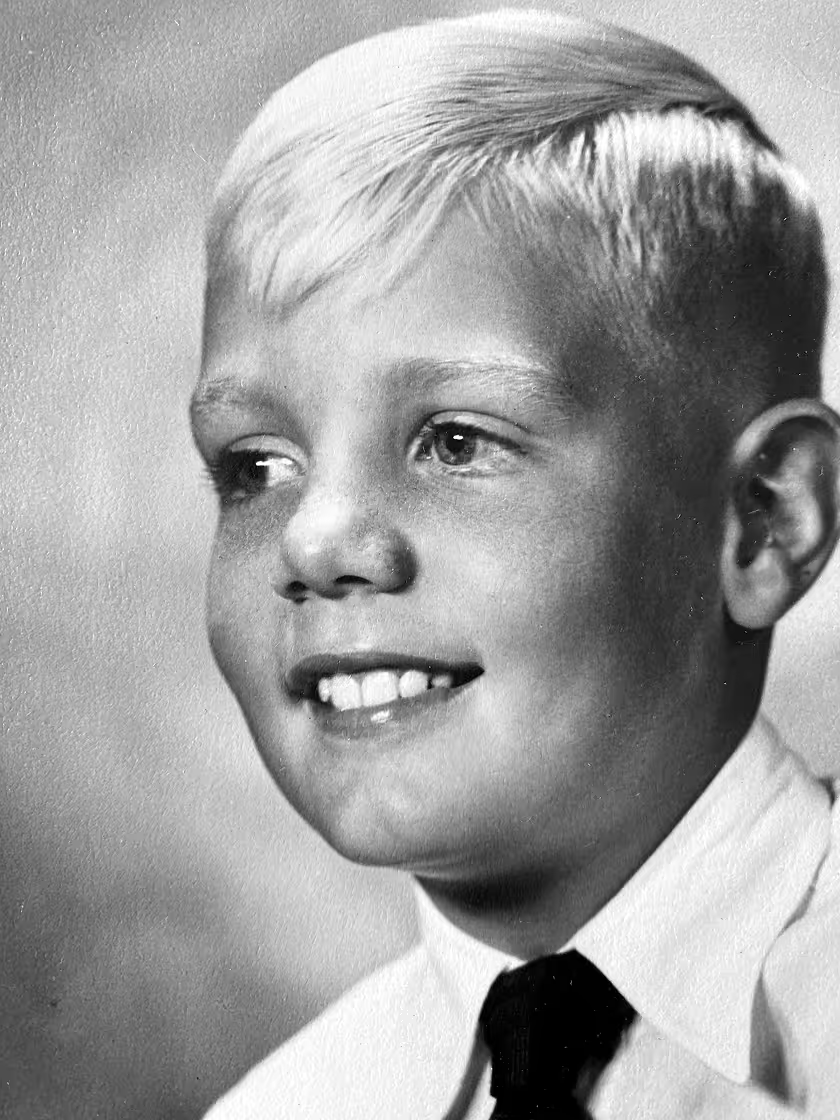
I was born in 1942 in Livingstone, located about three miles north of the Victoria Falls in what was then Northern Rhodesia, now Zambia. Being brought up in the centre of Africa in the bush had a dramatic and valuable effect on my life. From the age of eight, I boarded at St. John's College in Johannesburg.
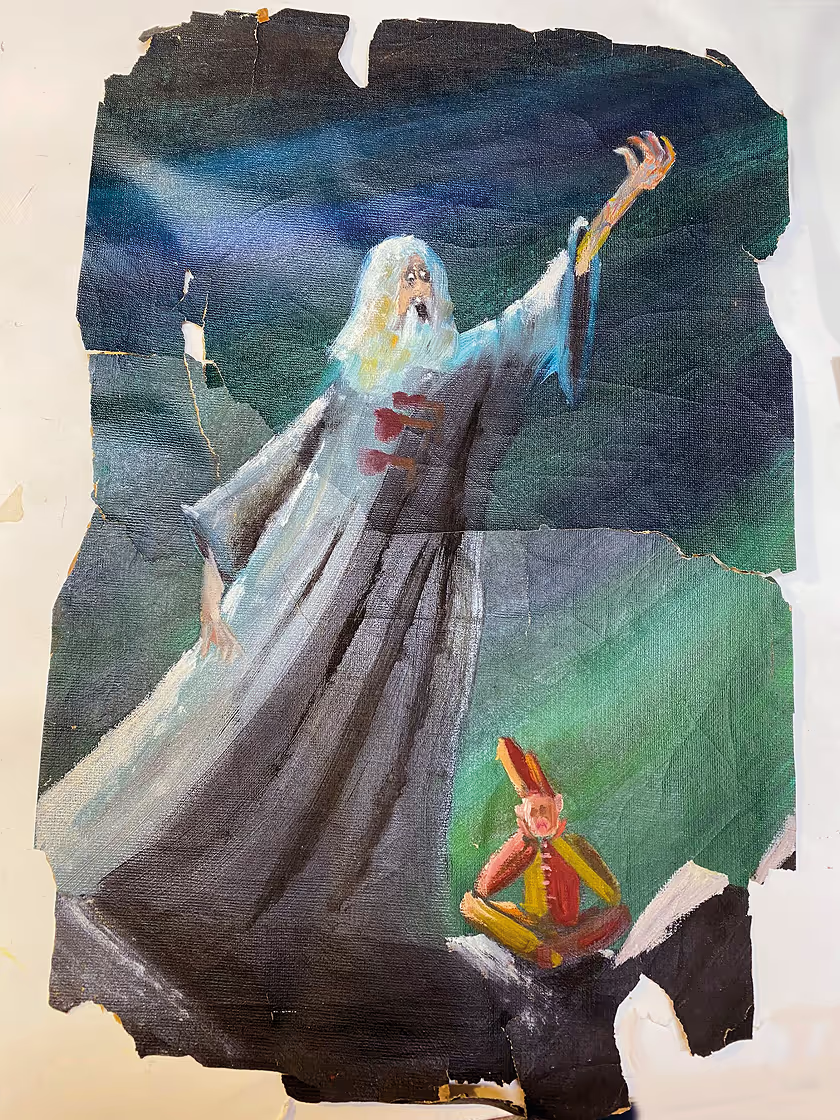
Subsequently I was awarded a BA degree by the University of Cape Town, majoring in history and English literature. After that, I studied English language and literature further at the University of Oxford, leading to an MA degree. In the result, I studied more or less the whole of the classical canon of English literature over about 1000 years from the Anglo-Saxon poem Beowulf of perhaps around the 950s until 1950. At that stage in my life, I was influenced most by Chaucer, Shakespeare and TS Eliot. They diluted and concentrated human experience in a way that the novelists did not. In addition, 1000 years of literature mirrored human cultural development.
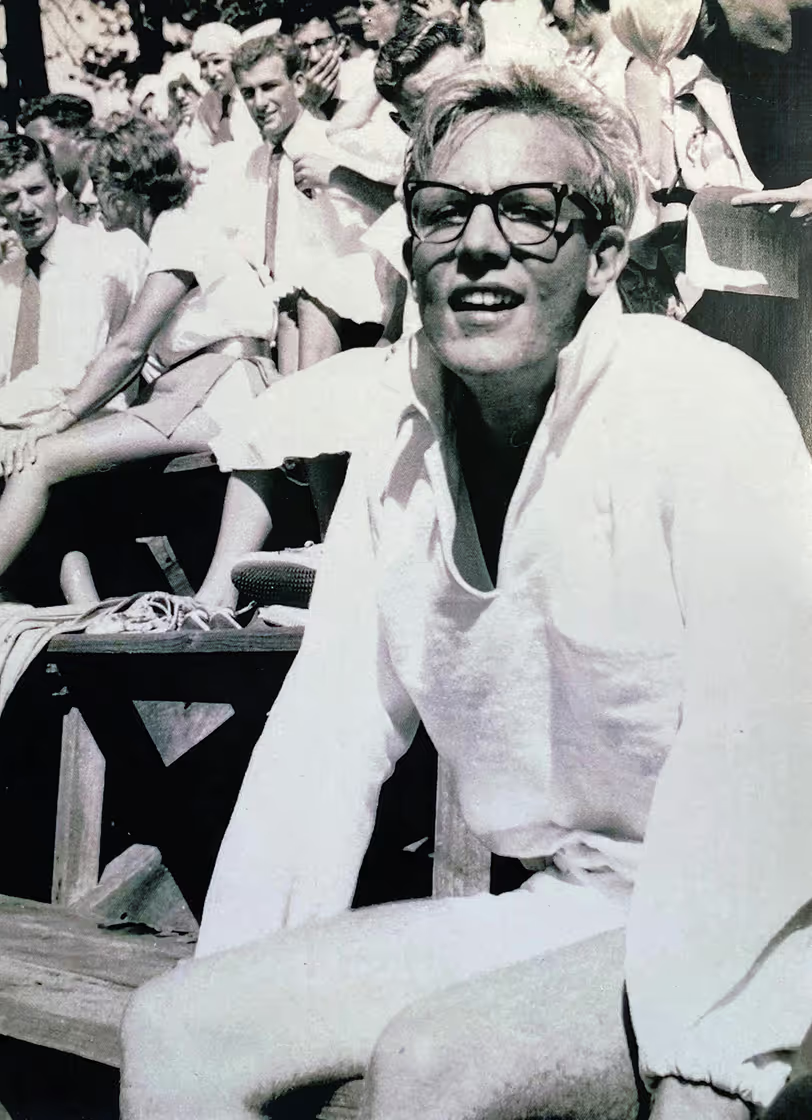
My favoured sport was running, although I rowed for both Cape Town University and my college at Oxford University. Running for me was solitary, where I competed only with myself.
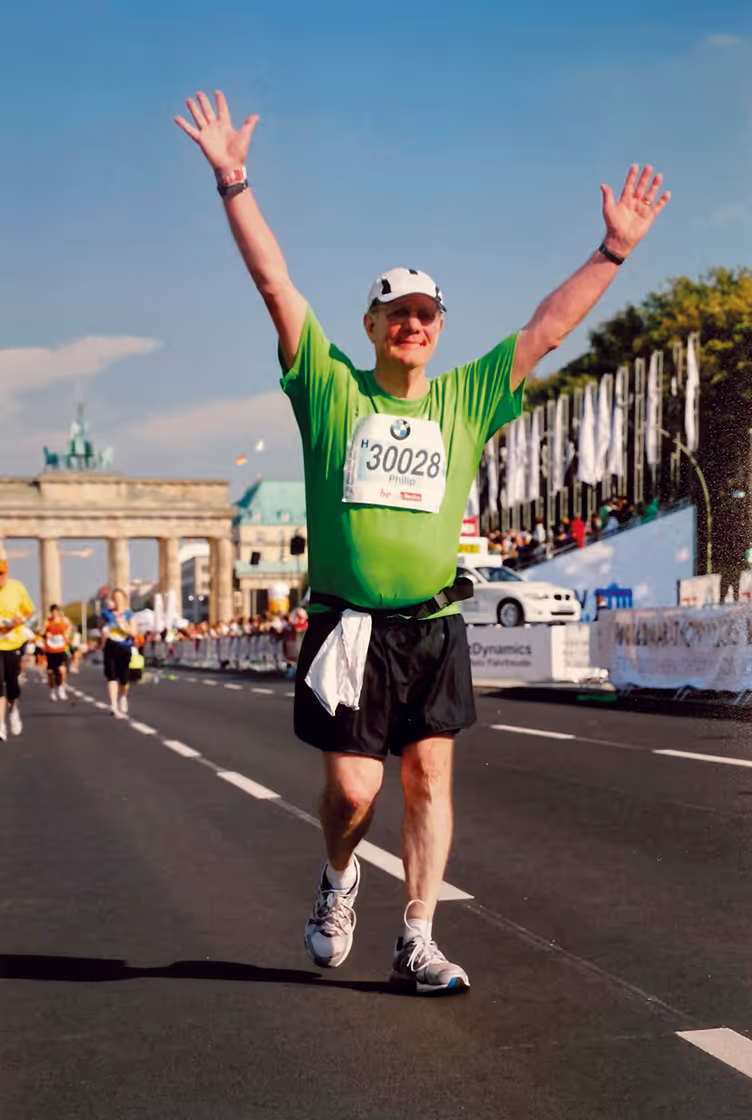
Much later in life, I completed the London, Berlin and Paris marathons, the latter at the age of 72. This gruelling race roused in me an intense emotion, despite the pain. One reason was that the crowds lining the route with their cheers and encouragement, sweets and music, showed human nature at its best.
I climbed Mount Kilimanjaro twice, once as a student and again at the age of 67. Kilimanjaro in Tanzania is the highest mountain in Africa at 19,002 feet. Both times were an awful experience.

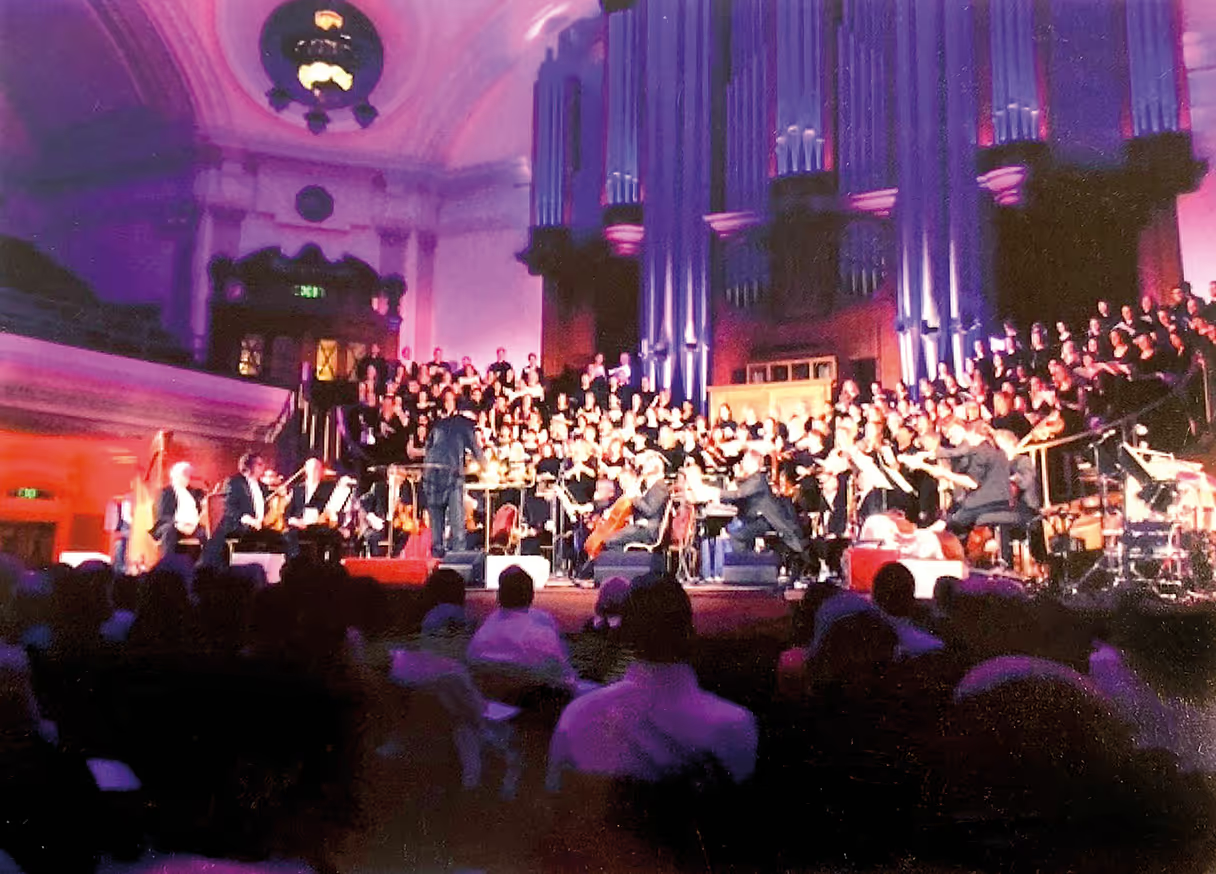
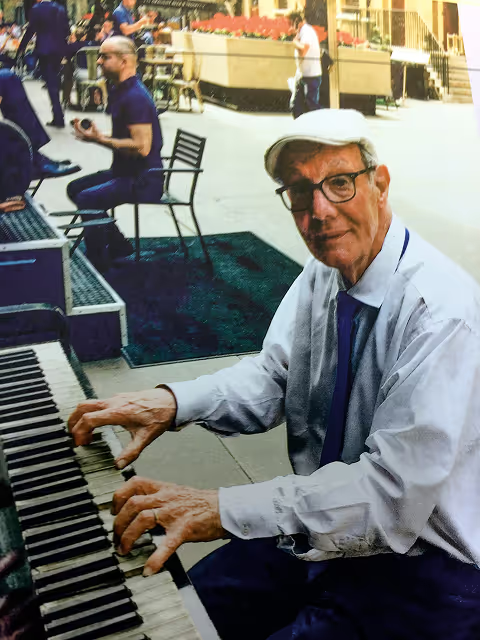
I played tunes on the piano from boyhood. Around 2015, I composed several pop songs, one of which is performed at a charity concert at Westminster Hall in London by a choir of 200, accompanied by the London Symphony Orchestra. The playing of songs, whether classical or popular, has been an immense source of pleasure and calm throughout my life.
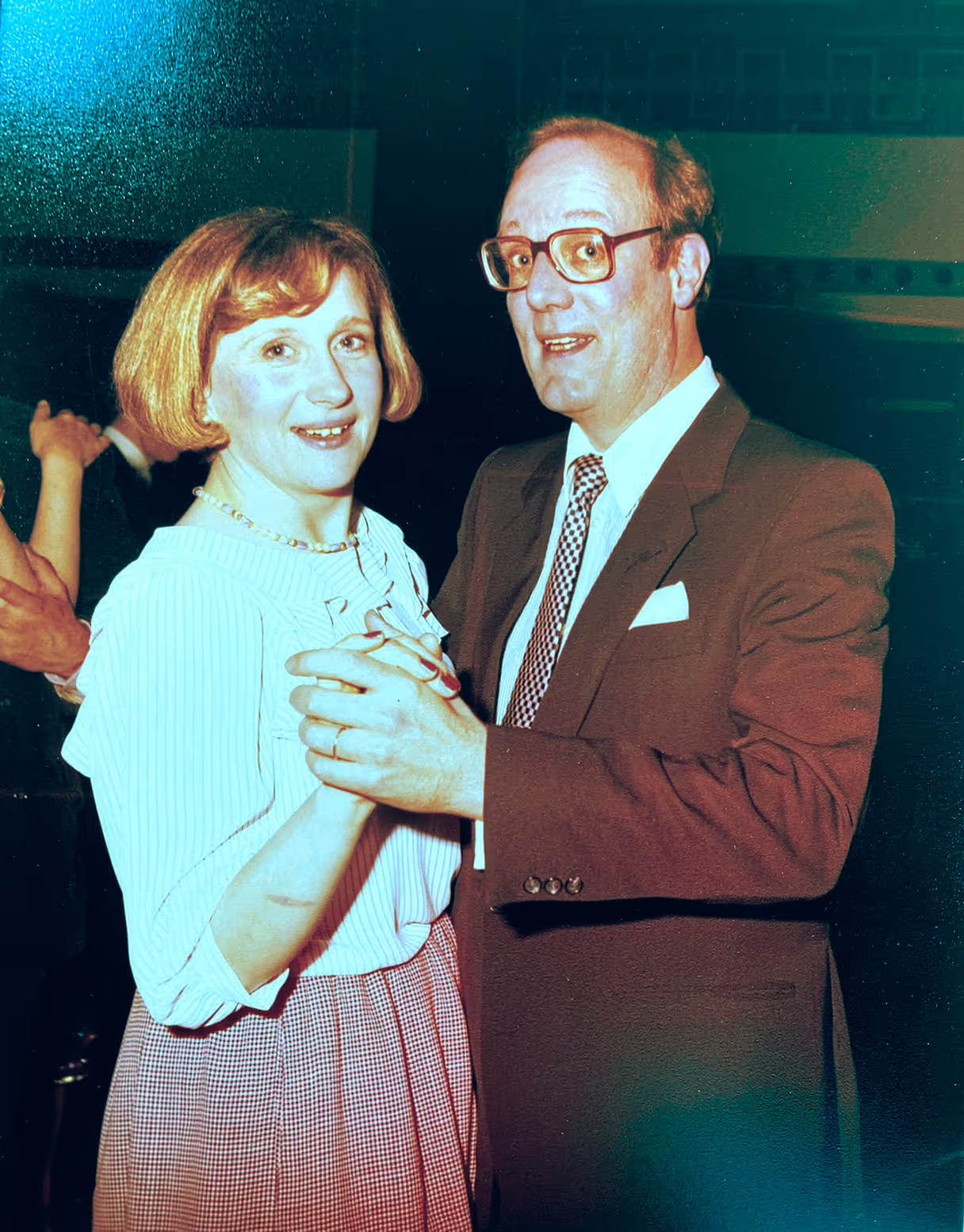
My wife Marie Elisabeth and I were married in 1980. We have four children and seven grandchildren who have been a lifetime’s delight and a joy for us.
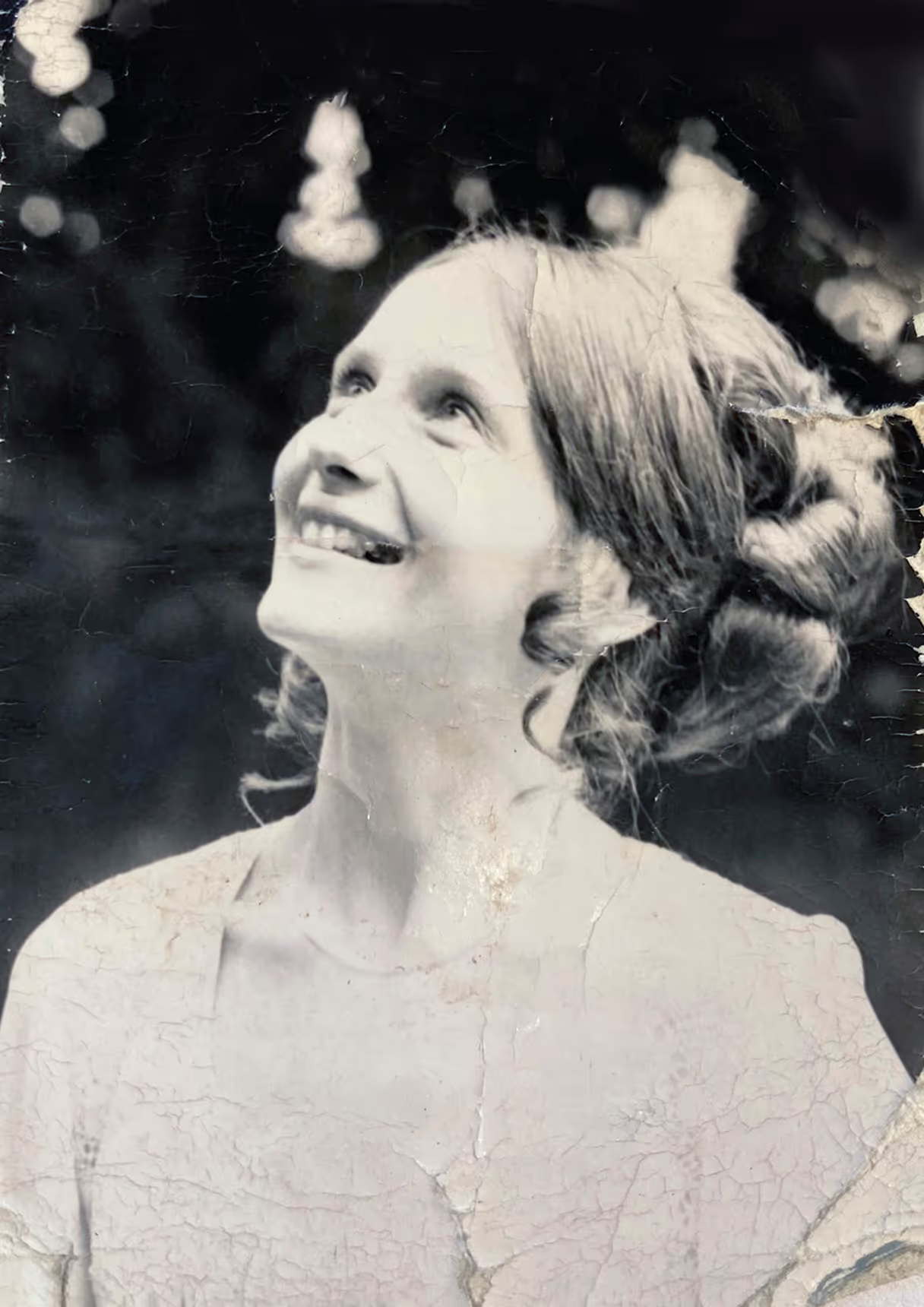
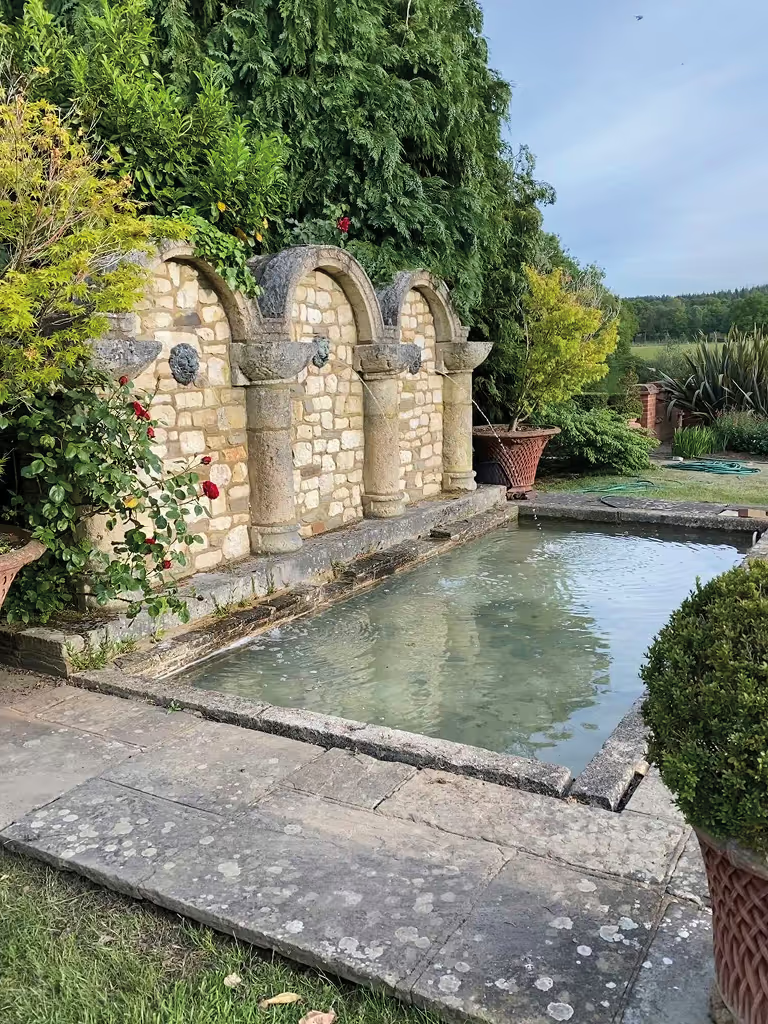
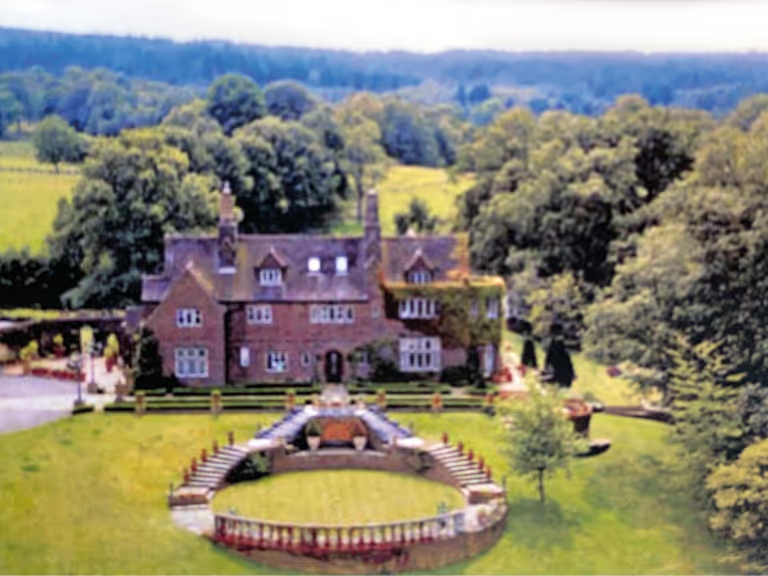
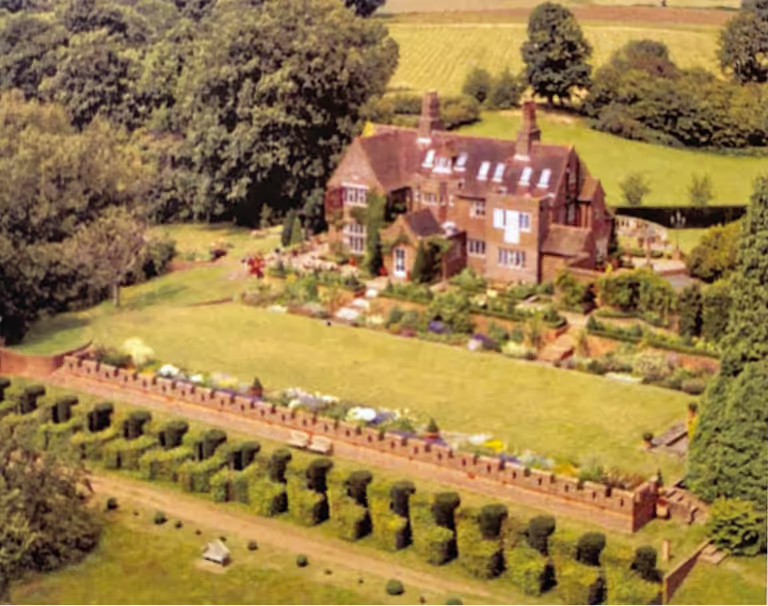
My wife Marie-Elisabeth built a very large and inspiring set of gardens covering many acres from nothing, without any professional design help, at our family house Knowle Grange in the beautiful North Downs in Surrey. The gardens have a magnificent view. She had a natural instinct for the geometry and structure of a garden and its feel, drawn from her childhood years near the Loire and at the ancient city of Le Mans. The gardens have been filmed twice for television and were shown under the National Garden Scheme for charity. One television programme about the garden was entitled “England’s 20 Most Beautiful Gardens.”
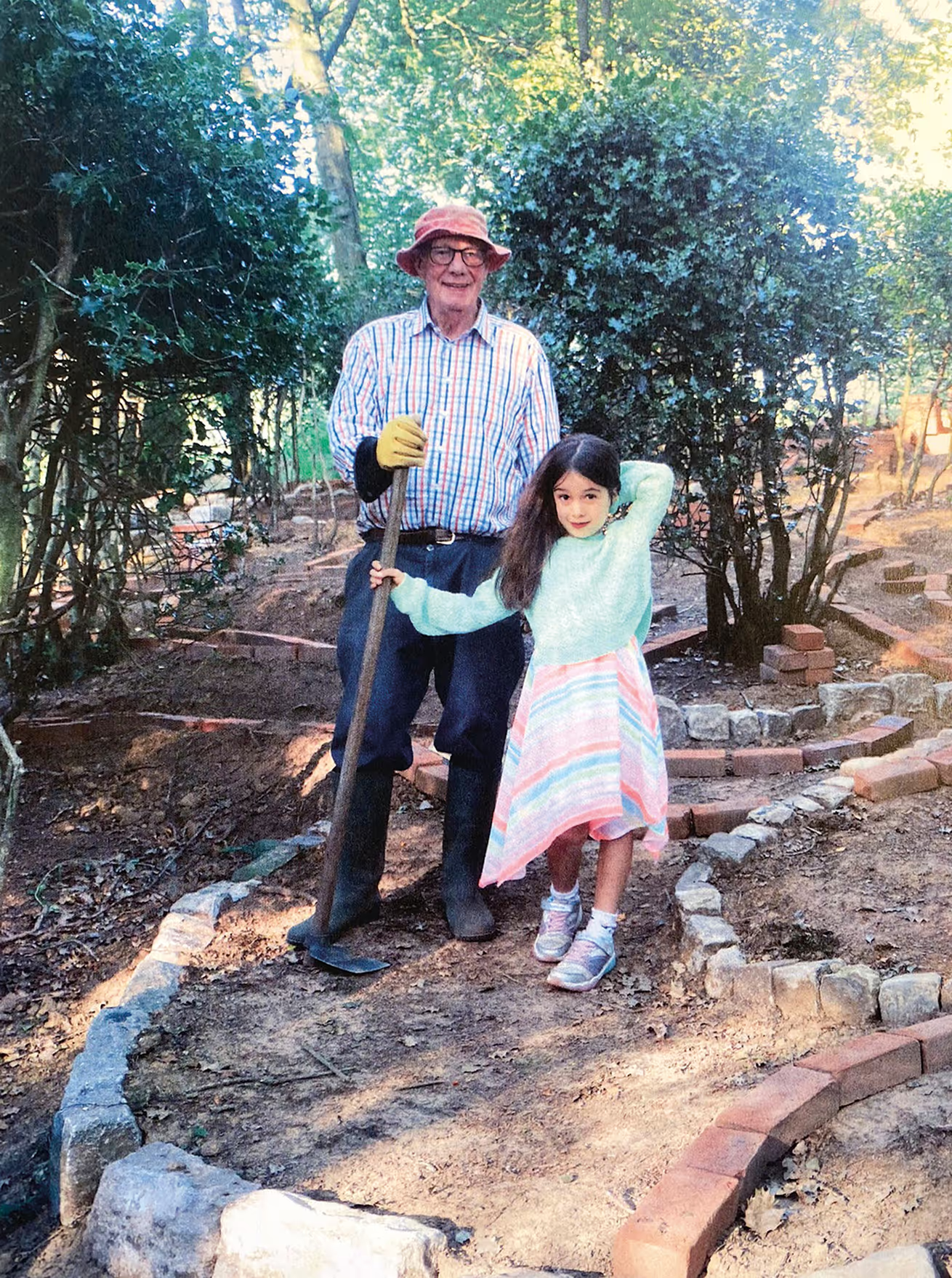
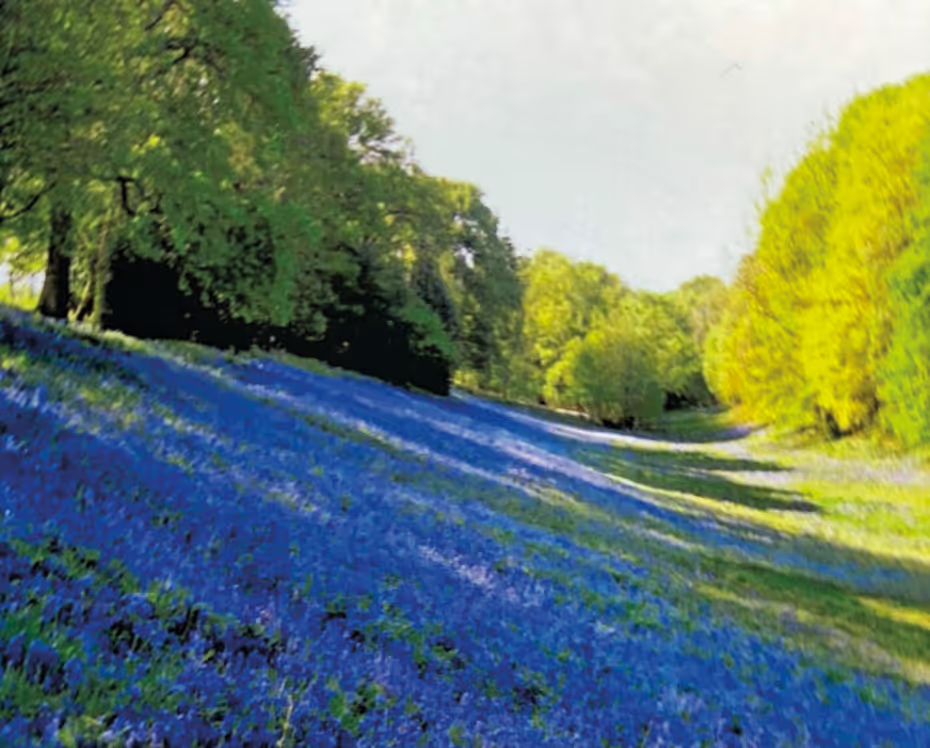
I dug on my land a rural path called the Bluebell Valley Unicursal Path of Life, which is almost exactly a mile long. It took ten years. I also built on the path a labyrinth on a labyrinth, perhaps one the first in the world, if not the first, of their type, which together are also about a mile long when unravelled and which also took about ten years. One of the labyrinths is based on an ancient Minoan design. Both the Unicursal Path and the labyrinths express an unexpected allegory about life. From my very early childhood, I had dreams of building a path through valleys and up a mountain, a vision which for me had a profound and inexplicable attraction.
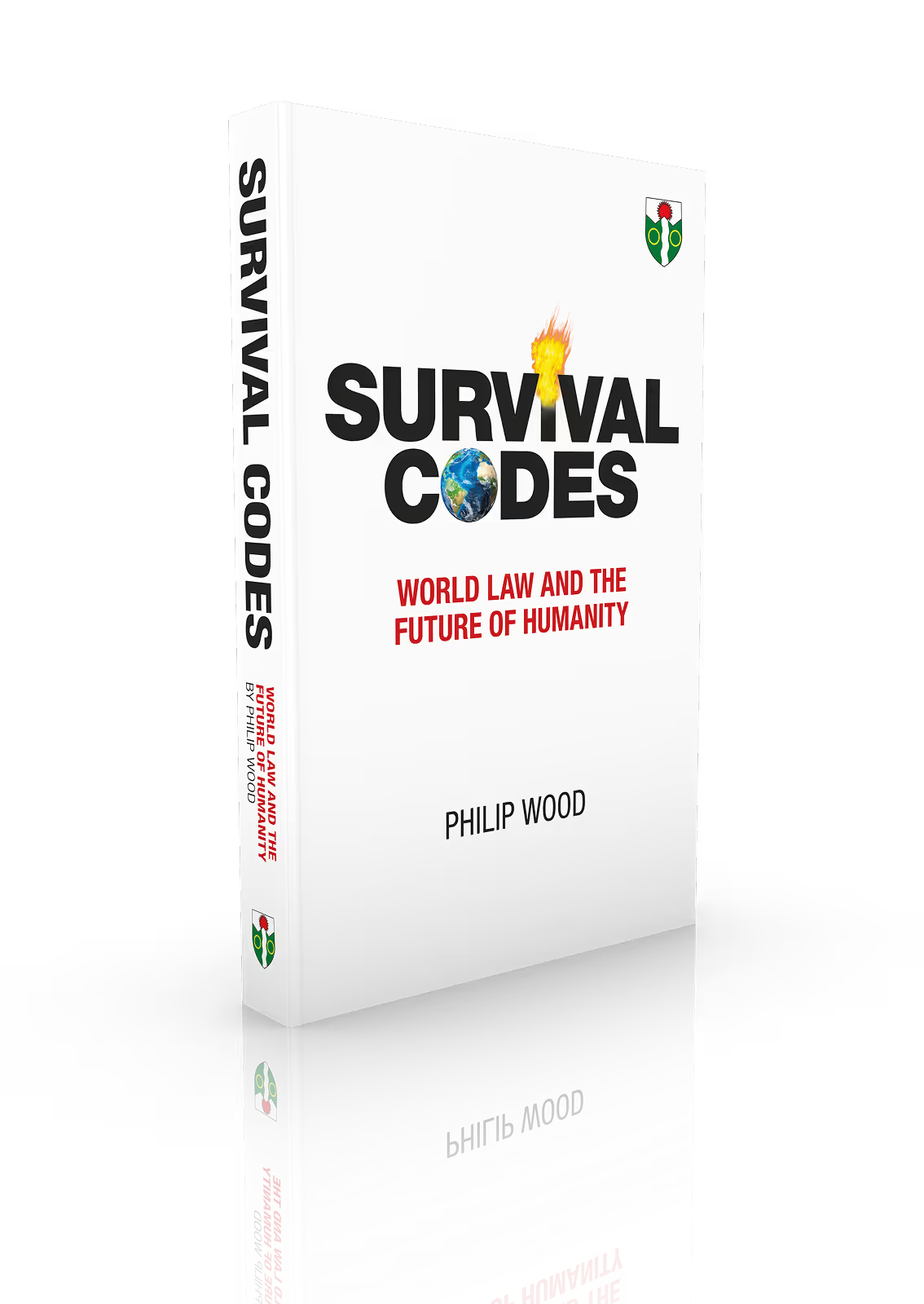
Survival Codes
World Law and the Future of Humanity
My latest book is entitled “Survival Codes: World Law and the Future of Humanity,” published in 2025. I believe that this is my most important book by far.
Survival Codes explains that the world's laws are the largest and most comprehensive codes of conduct for survival that humanity has - and what is at stake as that system comes under strain. Written for readers in every discipline, it offers a rare, accessible overview of global law and asks whether our legal structures are strong enough to prevent catastrophe.
The book is obtainable from Amazon and all good bookshops, priced at £35.
Available from Blackwells, Amazon, Browns, Foyles, Hatchards, Hive, TG Jones, Waterstones, leading law bookshop Wildys, and others. ISBN 9781919318837